
The Best Time to Visit the French Riviera: Season by Season
Four seasons serving four different purposes: a cheap, half-closed winter, a balanced spring, a full summer, and September — the insider's answer, with the sea at its warmest. Plus when you can actually swim, what the Grand Prix does to prices, and what closes out of season.
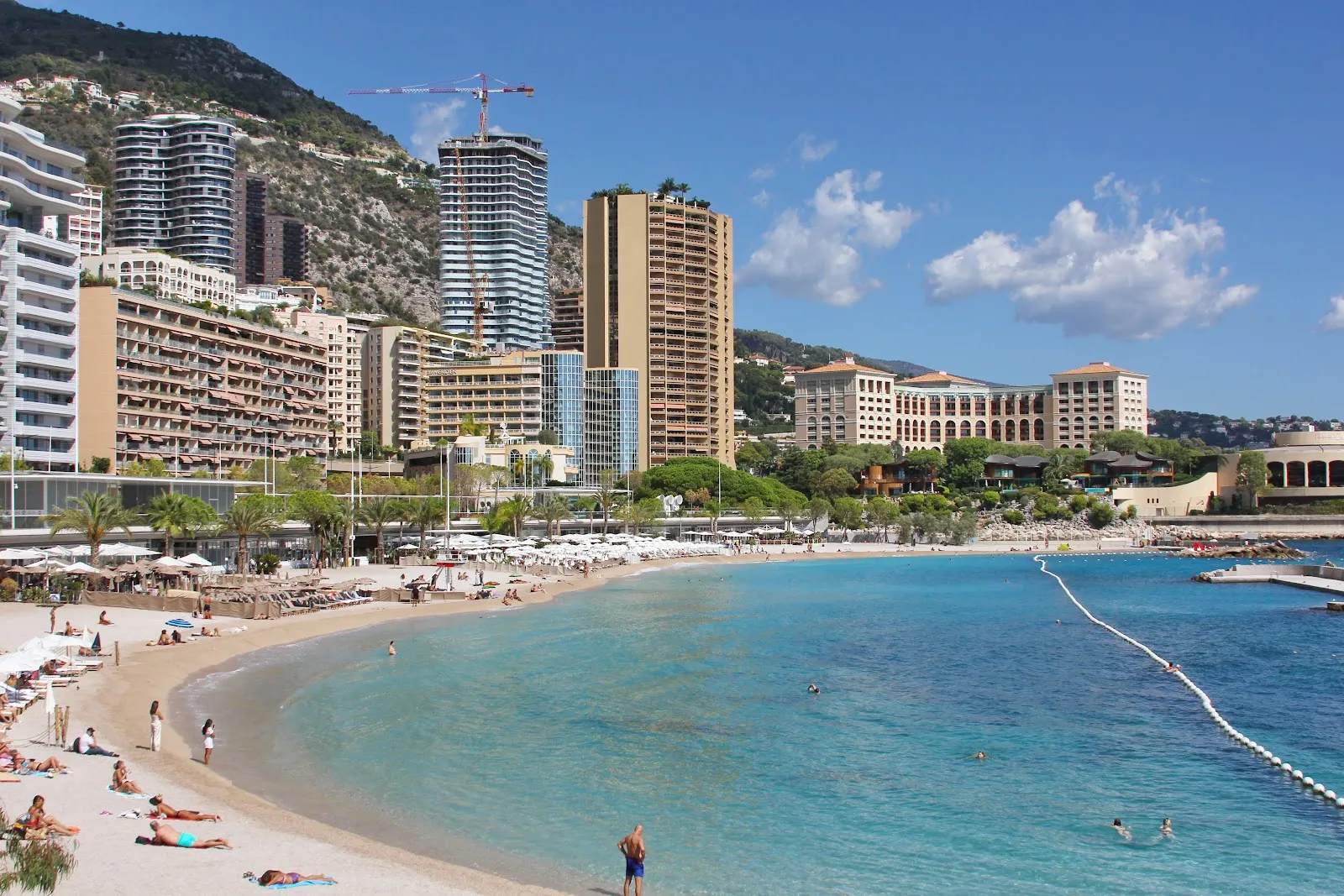
The short answer, if you don't want a whole article
September. The sea is at its warmest of the year, the August crowds have gone, rates have come down, and the light turns golden instead of white. If you aren't tied to school holidays, come in September or the first half of October and stop thinking about it.
The rest of this article is for people who are tied to dates, or who care about something other than swimming: carnival, flowers, low prices, gardens, yachts or quiet. Because the Riviera doesn't have one good season and one bad one — it has four seasons that serve four completely different purposes, and the only real mistake is arriving in one expecting another.
One thing to read before you book anything: your dates move your budget more than any other decision. The gap between a room in August and the same room in October is frequently hundreds of euros a night, and the full figures are in the Riviera cost guide. If you have flexibility, it's worth money.
Winter, November to February: mild, cheap, half-closed
Winter on the Riviera is not the winter you're picturing. On the coast between Nice and Menton, clear January days frequently reach 14–16°C at midday, and Menton — the mildest microclimate in France, sheltered by mountains behind it — grows lemons outdoors all year. On south-facing terraces people drink coffee in a light jacket. And the sun is statistically generous: this coast remains one of the sunniest parts of France even in December.
What you gain: the lowest rates of the year, 40–60% below the summer peak at hotels, empty old towns, museums with no queue, good restaurants with free tables at eight in the evening. Nice in winter is a city that's lived in, not a stage set.
What you lose: the sea, simply. The water bottoms out in February and March at roughly 13–14°C — technically swimmable, practically not something you want. Many private beaches, beach bars and a good share of seasonal restaurants close from October until Easter. Some villas and gardens run reduced winter hours or shut entirely. And the days are short: it's dark by half past five.
Two excellent reasons to come in winter anyway, both in February: Menton's Lemon Festival, where monumental sculptures are built from real citrus, and the Nice Carnival, with its floats and the flower battle along the Promenade des Anglais. These are the two events that fill the coast in the depths of the off season — so book accommodation well ahead for them, February or not. The dates move from year to year; check them in the events calendar.
Spring, March to May: the best balance — with one big exception
If I had to pick a single season for someone coming to look rather than to swim, it would be April and early May. Temperatures reach 18–22°C, the hills behind the coast are green, wisteria pours over the gates in Èze and Villefranche, the gardens are at their peak, and every terrace has opened without yet being full. This is the season in which the Riviera looks exactly the way you imagined it, and the only one in which you can walk Cours Saleya at eleven in the morning without being jostled.
The sea, though, is not with you. In April the water is around 15–16°C, in May 17–18°C. Locals don't go in. If you have children who want to splash, spring is a walking season, not a beach one.
And then there's the end of May, which has to be treated separately, because it isn't spring — it's an event. The Monaco Grand Prix doesn't only raise prices in the principality; it raises prices, fills hotels and closes roads along the entire coast, from Cannes to Menton, because nobody sleeps in Monaco and everybody commutes. In that week: lodging rates rise 50–150% thirty kilometres from the circuit, trains run packed, and whole sections of Monaco are closed to traffic. If you're coming for the racing, it's extraordinary and we have the Grand Prix travel guide. If you're not coming for the racing, avoid that week entirely — you'll pay double for a more crowded coast. Likewise, to the west, the Cannes Film Festival in mid-May does the same thing locally: Cannes becomes impractical and expensive for several days.
Summer, June to August: hot, full, expensive, and the sea at its best
Let's be fair: summer on the Riviera is lovely, and it is the season this coast was built for. June is in fact excellent — 25–28°C, the water passes 21°C, and peak crowding hasn't started. The first half of June is a better secret than people realise.
July and August are something else. Temperatures sit at 28–31°C, with nights that don't drop below 22, high humidity and very little rain. The water is at its warmest, around 24–25°C in August — soft, clear, exactly what you want. But: half of France and half of Italy are there at the same time. Nice's public beaches are full by ten in the morning, the Promenade des Anglais is a continuous flow, the train to Monaco runs at capacity, and Vieux Nice at nine in the evening is a single slow-moving organism. Lodging rates are at the absolute annual peak.
If you must come in August — and many must, because of school — do three things. Book months ahead, because what's left in July is expensive and poor. Schedule the beach early morning and between five and eight in the evening, not at midday. And use the train outside the peak: at nine in the morning towards Monaco you'll stand, at half past ten you'll sit.
September and October: the insider's answer
Here's the truth everyone who comes back already knows: the Mediterranean is warmer in September than in June. The water has absorbed three months of sun and sits around 23°C in early September, drifting down towards 21 by the end of the month and 20 in October. The air is 25–27°C, the light has softened, and from the first week of September French children are back at school and the coast empties like a city after a concert.
That means beaches where you choose your spot, restaurants you walk into without a booking, trains you sit down on, lodging rates 25–40% below August, and a warmer sea. It is objectively the best ratio of what you pay to what you get anywhere on this coast. If you want one reason to choose September over August, that's it.
September has its own heavyweight event too: the Monaco Yacht Show at the end of the month, when Port Hercule fills with the largest custom yachts in the world and the principality fills with the industry. It's spectacular to watch from the quay, free, from outside — and it pushes up accommodation in and around Monaco for several days.
October changes character halfway through. The first half is still late summer: you swim, you sit outside, it's warm. The second half brings autumn's first serious rain — Mediterranean rain, meaning short and violent rather than drizzly — and the beach bars start stacking the loungers. It's still a very good time to come, but for walking and eating rather than guaranteed beach days.
When you can actually swim
The water temperatures below are indicative averages for the Nice–Menton coast and vary year to year; for today's figures check the weather and sea page, which reads live data, or the live hub, where the local time, the weather and the state of the sea sit in one place.
- February–March: 13–14°C. No.
- April–May: 15–18°C. Only if you're Scandinavian.
- June: 21–22°C. Yes, comfortably.
- July: 23–24°C. Yes.
- August: 24–25°C. The warmest of the year.
- September: 22–23°C. Yes, and without the crowds.
- October: 20–21°C. Yes, in the first half of the month.
- November: 18°C and falling. Marginal.
The real swimming season on the Riviera, then, runs from mid-June to mid-October — four months, not three, and the last of them is the best.
Wind, rain, and what the mistral means here
There's a useful confusion to clear up about the mistral. The mistral hits western Provence hard — Marseille, the Camargue, the Rhône valley — where it comes down cold and dry from the north-west, most often in winter and spring, and can blow for three days. Nice and the eastern coast are largely sheltered from it, because the Maritime Alps stand in the way. What you feel in Nice, Monaco and Menton is more often an easterly or south-easterly — the levant — which throws waves onto the promenade, closes stretches of beach for a day and churns the sea, but doesn't bring cold.
Rain on this coast is concentrated: late autumn and early spring get short, intense episodes, occasionally spectacular, rather than long grey days. A coast with a very high number of sunny days a year isn't a coast without rain — it's a coast where rain finishes quickly. A back-up plan for half a day (a museum, Vieux Nice, a long lunch) is enough.
What closes out of season
Be ready for this, because it ruins holidays: from roughly November until Easter, a good share of the private beaches, beach bars and seasonal restaurants in Nice, Villefranche, Cannes and Juan-les-Pins are simply shut. Some gardens and villas on Cap Ferrat and in Èze run reduced winter hours or close. The ferries to the Lérins islands from Cannes run less often. The major museums, the old towns, the markets, the regional train and everything in Monaco run normally all year — you'll have no trouble filling a winter week, just not with beach days.
The recommendation, by traveller
You want to swim and lie on a beach: September, the first half. If you can't, June. If you still can't, August, but book in winter.
First time on the Riviera, you want to see the coast: April to early May, or September. Everything is open, nothing is suffocating.
With children, tied to school holidays: late June or the first week of September — still holiday, already past peak. The sea is warm in both.
On a tight budget: November, January, February, March. The same coast, the same old towns, the same food, half the price. No beach.
Photography, gardens, flowers: April. There's no serious competition.
For the events: February for the Nice Carnival and Menton's Lemon Festival; the end of May for the Grand Prix; the end of September for the Monaco Yacht Show. For any of them, book far ahead and confirm the dates in the events calendar.
You want quiet at any cost: the second half of October, with a room in Villefranche or Beaulieu. The coast is yours.
Once your dates are fixed, the seven-day itinerary shows how the days link together — and if you want the view from the top of the market, the luxury hotels are at their best rates in exactly the months most people ignore.
Plan your trip
Hotels nearby
Hotels in Nice
Experiences
Tours & activities
Private tours, boat trips and hand-picked experiences via GetYourGuide — free cancellation on most.
See all experiences