Beneath the supercars and the casino lies a real, distinctive culture — Mediterranean, Catholic, maritime and proudly Monégasque. The principality's small native community has kept its identity alive precisely because it is so outnumbered by international residents.
The Monégasque language
Monaco's official language is French, used in government, business and everyday life. But the historic language of the native people is Monégasque (munegascu), a Ligurian dialect close to the Genoese spoken across the border in Italy — quite distinct from both French and standard Italian. Long endangered, Monégasque is now taught in the principality's schools and celebrated in street signs on the Rock, songs and cultural associations, part of a deliberate effort to preserve national identity. Italian and English are also widely understood.
Faith and Sainte Dévote
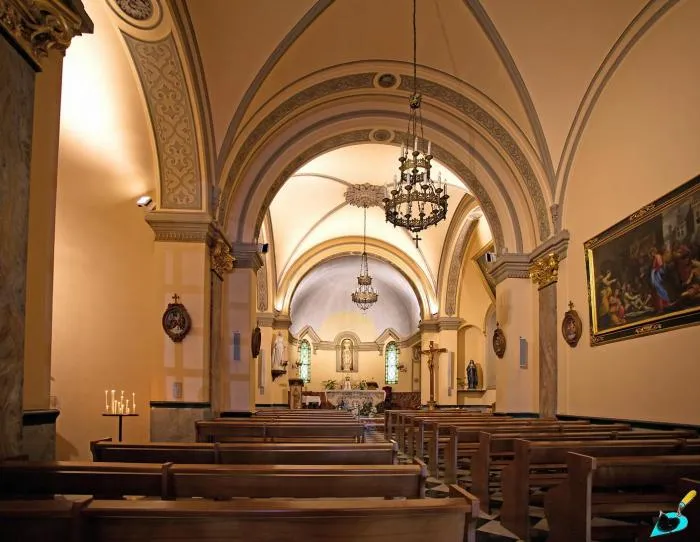
Monaco is overwhelmingly Roman Catholic, and Catholicism is the state religion, though freedom of worship is guaranteed. The principality's patron is Sainte Dévote, a Corsican martyr whose relics, by legend, drifted to Monaco's shore. Her feast on 27 January is the most beloved Monégasque tradition: a boat is ceremonially burned on the quay by her little church near the harbour, followed by fireworks and a procession — a ritual far older and more intimate than the Grand Prix or the Yacht Show, and a reminder that Monaco is a community as well as a brand.
A tradition of the arts
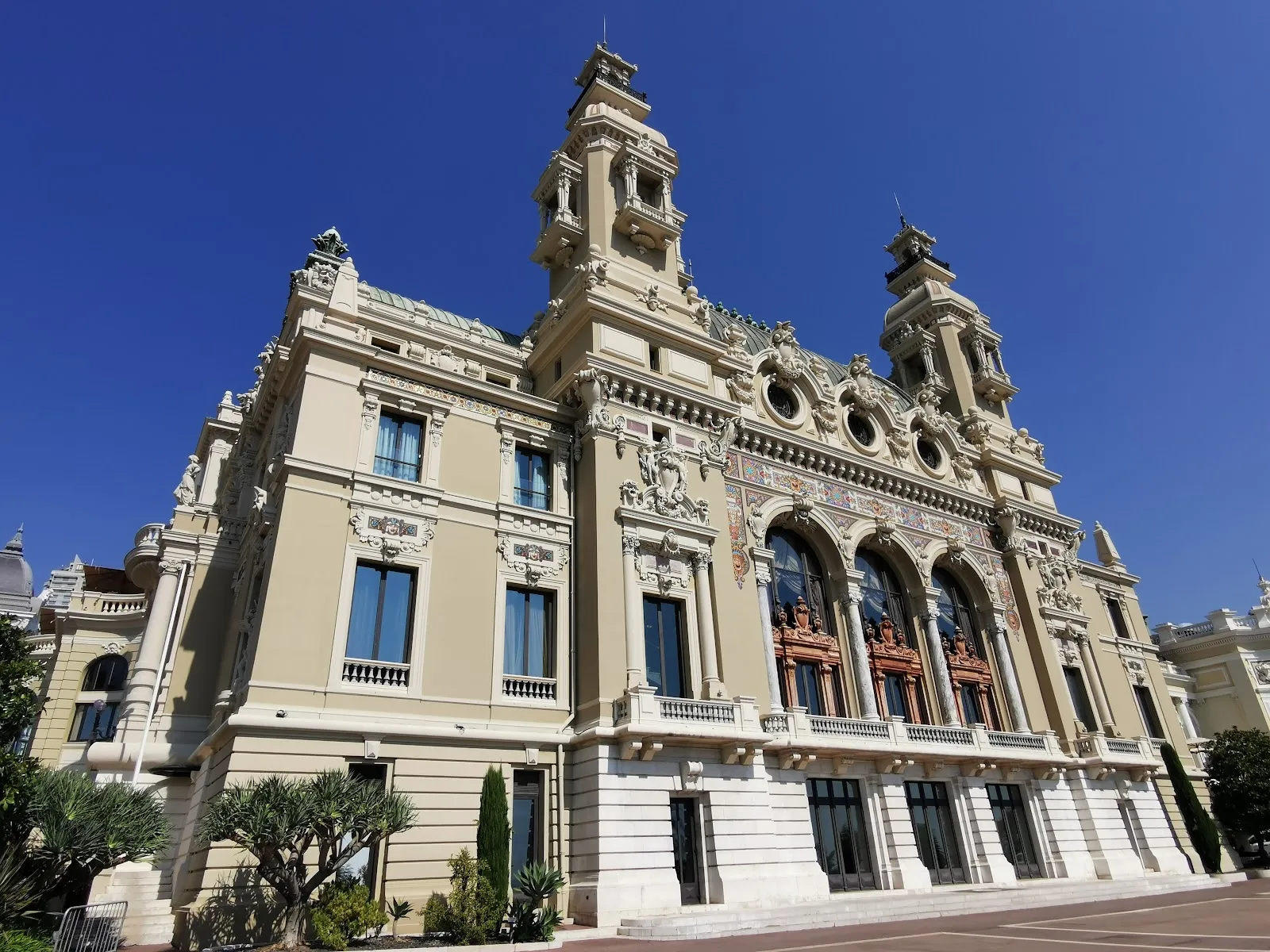
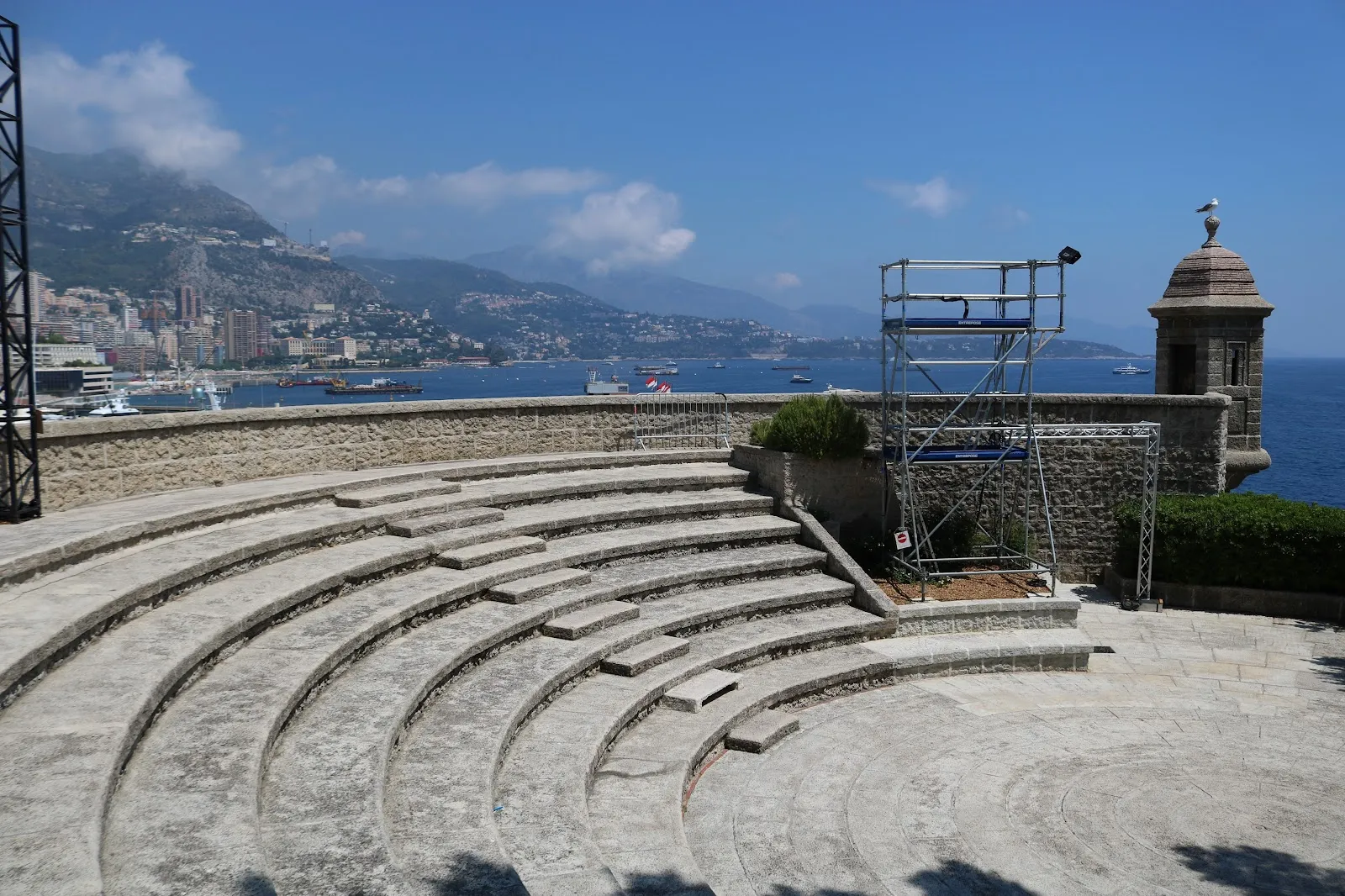
For a microstate, Monaco's cultural institutions are extraordinary. The Opéra de Monte-Carlo, in Charles Garnier's jewel-box Salle Garnier, has premiered major works and hosted the legendary Ballets Russes; the principality sustains its own orchestra, ballet and opera companies. Summer brings open-air performances at the atmospheric Fort Antoine theatre, the Monte-Carlo International Fireworks Festival over the harbour, and a busy calendar of concerts and exhibitions, much of it part of Princess Grace's enduring cultural legacy.
The sea and science
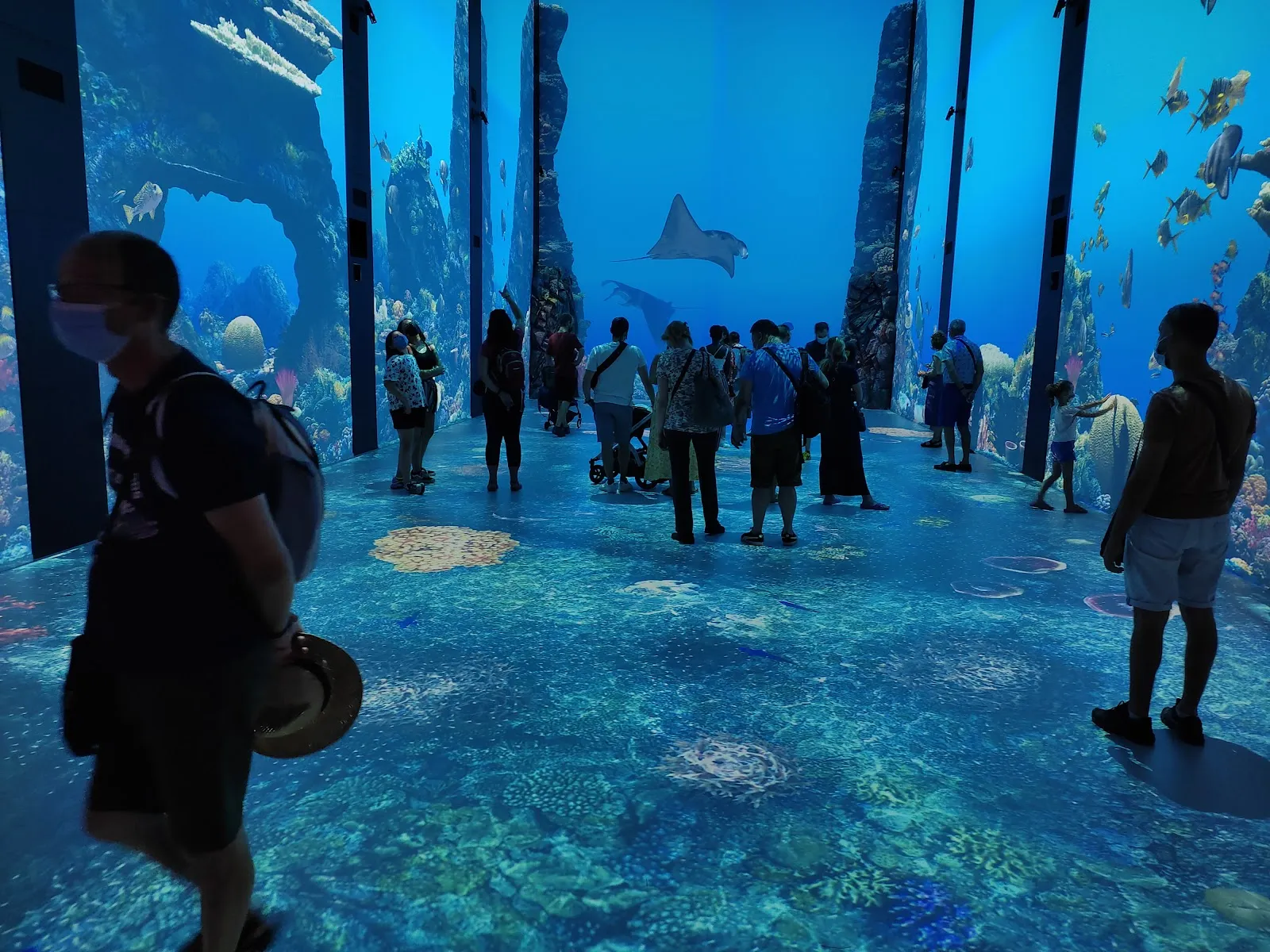
Monaco's relationship with the sea is not only about yachts. Prince Albert I (reigned 1889–1922), the "Navigator Prince", was a serious oceanographer who founded the Oceanographic Museum in 1910 — later directed by Jacques Cousteau — and made Monaco a world centre for marine science. That heritage continues today in Prince Albert II's environmental and ocean-conservation work, giving the principality a scientific and ecological identity that sits, perhaps surprisingly, alongside its reputation for luxury.
Gastronomy and everyday traditions
Monégasque cuisine is Mediterranean and Niçois in spirit: dishes such as barbagiuan (fried pastry filled with chard and cheese), socca (chickpea pancake), stocafi (stockfish stew) and fougasse appear at markets like La Condamine and at festivals. Add the grand haute-cuisine temples of Monte-Carlo at the other end of the scale, and you have the full spectrum — village pastry stall to three-Michelin-star dining room — within the same two square kilometres.
Sport as national culture
In Monaco, sport is woven into identity. The Formula 1 Grand Prix (since 1929) and the Rolex Monte-Carlo Masters tennis are global fixtures, but locals follow AS Monaco, the football club that plays at the Stade Louis II in Fontvieille and has won the French league and reached a Champions League final. Add the Monte-Carlo Rally, top-level athletics at the Herculis meeting, and a maritime calendar of regattas, and the principality's sporting life vastly outweighs its size — much of it championed by a princely family that has itself competed at the Olympics.
A calendar of festivals
The Monégasque year has a rhythm of its own: the Sainte-Dévote festival and boat-burning in January; the International Circus Festival that fills a big top by the port; the springtime Printemps des Arts and the glittering Bal de la Rose; the Monte-Carlo Television Festival and the summer Fireworks Festival over the harbour; and National Day in November. Threaded through it all is the legacy of Princess Grace, whose patronage shaped many of the institutions — the dance, the garden, the cultural foundations — that keep Monaco's calendar full long after the racing cars and superyachts have gone.
Museums and the modern scene
Beyond the Oceanographic Museum and the Opera, Monaco supports a surprising density of culture for its size: the Nouveau Musée National de Monaco, split between the elegant Villa Sauber and Villa Paloma, stages contemporary art and design; the Prince's vintage car collection and the Naval Museum in Fontvieille draw enthusiasts; and the Grimaldi Forum hosts major international exhibitions each summer. A lively gallery scene, design weeks and street art have grown up alongside the classical institutions, giving the principality a contemporary cultural pulse to match its Belle Époque heritage.