Monaco has almost no natural resources, no agriculture to speak of since it lost its lemon groves in 1861, and barely any land. Yet it is one of the richest countries in the world per head. Its prosperity is entirely manufactured — built on taxation policy, financial services, tourism and the simple fact that the global elite want to be here.
The famous tax regime
The cornerstone is the absence of personal income tax, abolished for residents in 1869 and never reinstated (with the notable exception of French nationals, who remain taxable by France under a 1963 bilateral convention). There is no general capital gains tax and no wealth tax on individuals, and inheritance between close family is untaxed. This is the magnet that has drawn wealthy residents for over 150 years. Monaco is not, however, a no-tax economy: businesses generating most of their turnover outside the principality pay corporate tax, and the state earns substantial revenue from VAT (levied in line with France), from real-estate transactions, and historically from the gaming monopoly.
Banking, wealth and services
Modern Monaco is a centre of private banking and wealth management, with a cluster of banks and family offices serving resident and international clients. Financial and insurance activities, scientific and professional services, real estate and construction, retail and tourism together make up the bulk of the economy. The principality has worked over recent decades to shed any "secrecy" reputation, signing international transparency and tax-information agreements while retaining its low-tax appeal.
The most expensive real estate on earth
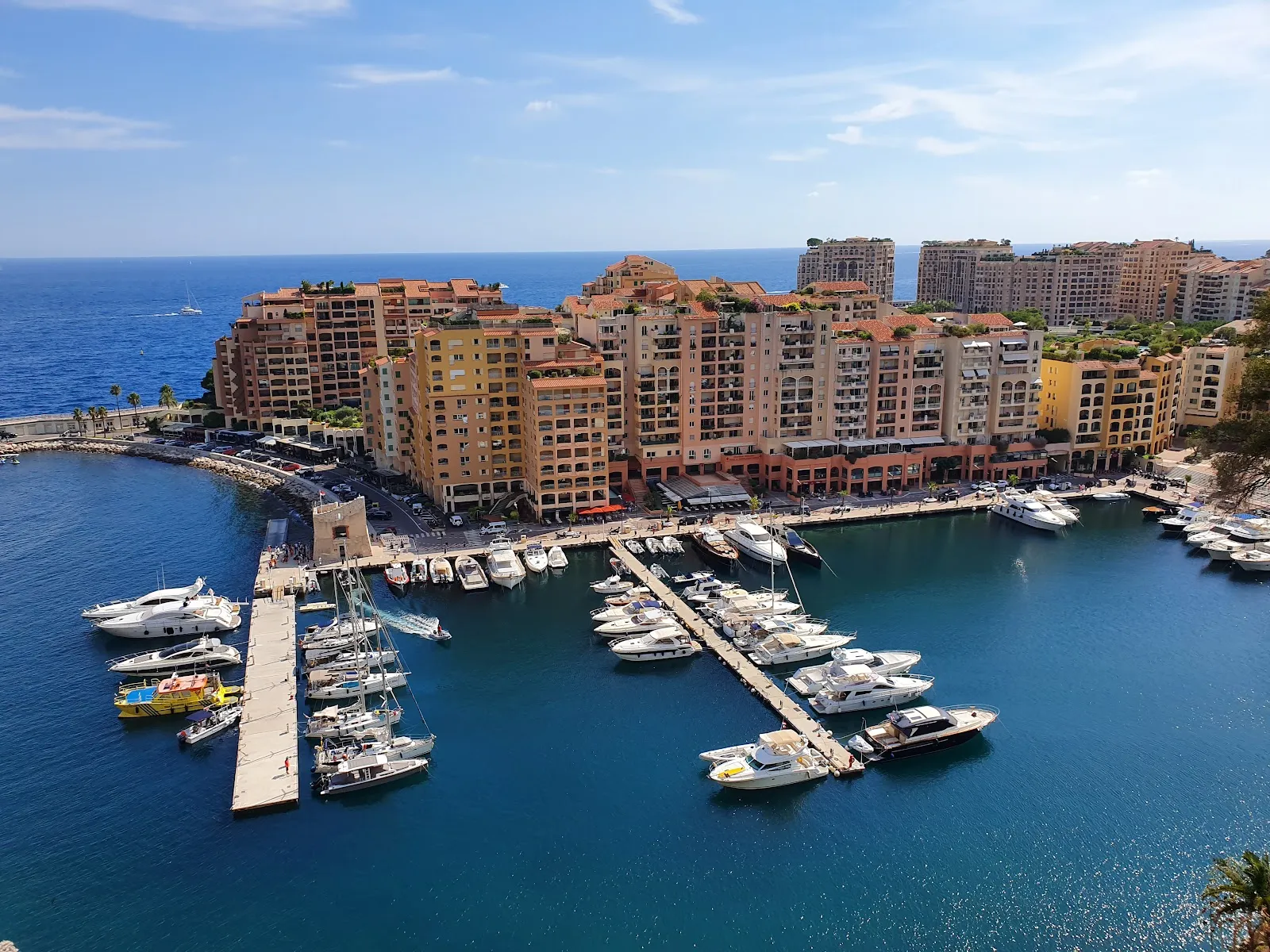
Land is the ultimate scarce commodity in Monaco, and prices reflect it: residential property here is consistently the most expensive in the world per square metre, regularly exceeding €50,000/m² and far more for trophy penthouses. This scarcity has driven Monaco's most dramatic engineering: the reclamation of Fontvieille from the sea in the 1960s–70s, and the recent Mareterra (Anse du Portier) extension, a new eco-district built out over the water — adding precious hectares to a country that cannot grow any other way.
Tourism, events and the SBM
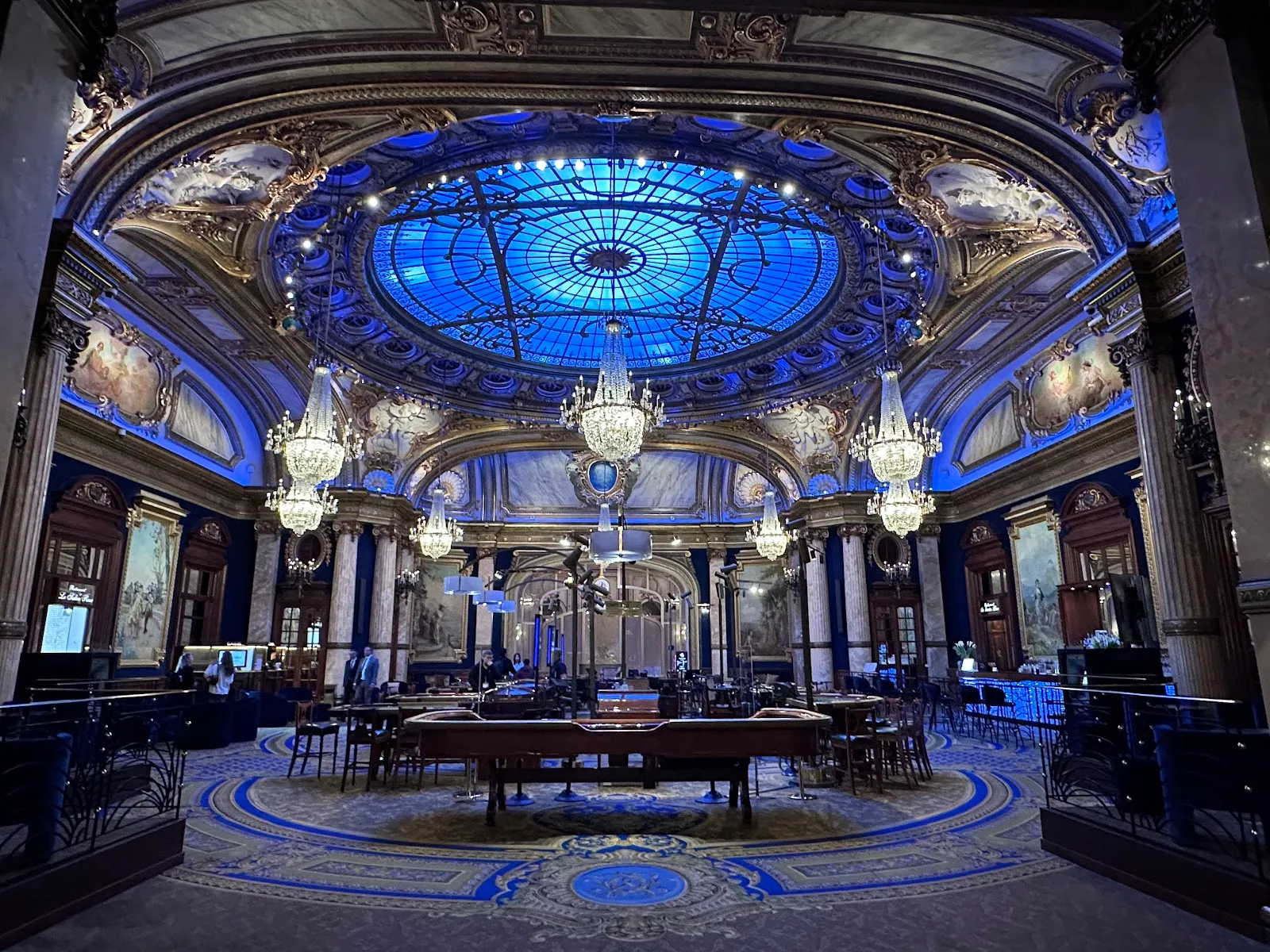
Tourism remains central. The state-influenced Société des Bains de Mer (SBM) still operates the Casino, the grand palace hotels and much of the luxury leisure economy, just as it has since 1863. High-value events — the Formula 1 Grand Prix, the Monaco Yacht Show, the Rolex tennis Masters, the Bal de la Rose — generate enormous direct and indirect revenue and keep the principality in the global spotlight. Cruise calls, congresses and year-round luxury retail round out the visitor economy.
A safe, stable, high-cost haven
Why the wealthy come
The appeal to high-net-worth individuals is straightforward: a benign tax regime, exceptional security, political stability, a Mediterranean climate, world-class services and a concentration of like-minded peers — all an hour from a major international airport. Becoming a resident requires proving accommodation in Monaco (owned or rented) and sufficient financial means, typically evidenced through a substantial deposit with a Monégasque bank. Residency does not by itself confer citizenship, which remains rare, but it grants access to everything that makes the principality attractive.
Mareterra and building the future
With nowhere to expand on land, Monaco grows the only way it can — into the sea. After Fontvieille in the twentieth century, the principality completed Mareterra (the Anse du Portier extension) in the 2020s: a six-hectare eco-district of apartments, villas, public gardens and a marina, engineered with environmental safeguards for the surrounding marine habitat. It is among the most expensive construction projects ever undertaken per square metre, and a vivid statement of Monaco's economic logic — when land is the scarcest asset on earth, you manufacture more of it.
The price of paradise
The flip side of the wealth is cost: everything in Monaco, from a coffee to a parking space to a school place, sits at the top of the market, and residential rents and prices are the highest anywhere. The state, for its part, runs a careful budget, invests heavily in infrastructure, culture and public services, and maintains one of the densest police presences in the world — underpinning Monaco's reputation as one of the safest places anywhere. For residents and visitors alike, that combination — security, stability, services and a benign tax climate, all within a sunlit Mediterranean microstate — is precisely the product Monaco sells.
A diversified microeconomy
For all the focus on tax, modern Monaco works hard to diversify. Scientific research, digital and "smart-city" initiatives, sustainable finance and a growing events industry now sit alongside the traditional pillars of banking, real estate and tourism. The state actively courts high-value, low-footprint sectors that suit a space-constrained, image-conscious country — a deliberate strategy to keep the economy resilient well beyond the casino tables that first made Monaco rich.