For such a tiny state, Monaco is remarkably varied. It is best understood not as one city but as a handful of distinct quarters, each with its own character, history and reason to visit.
Monaco-Ville — the Rock
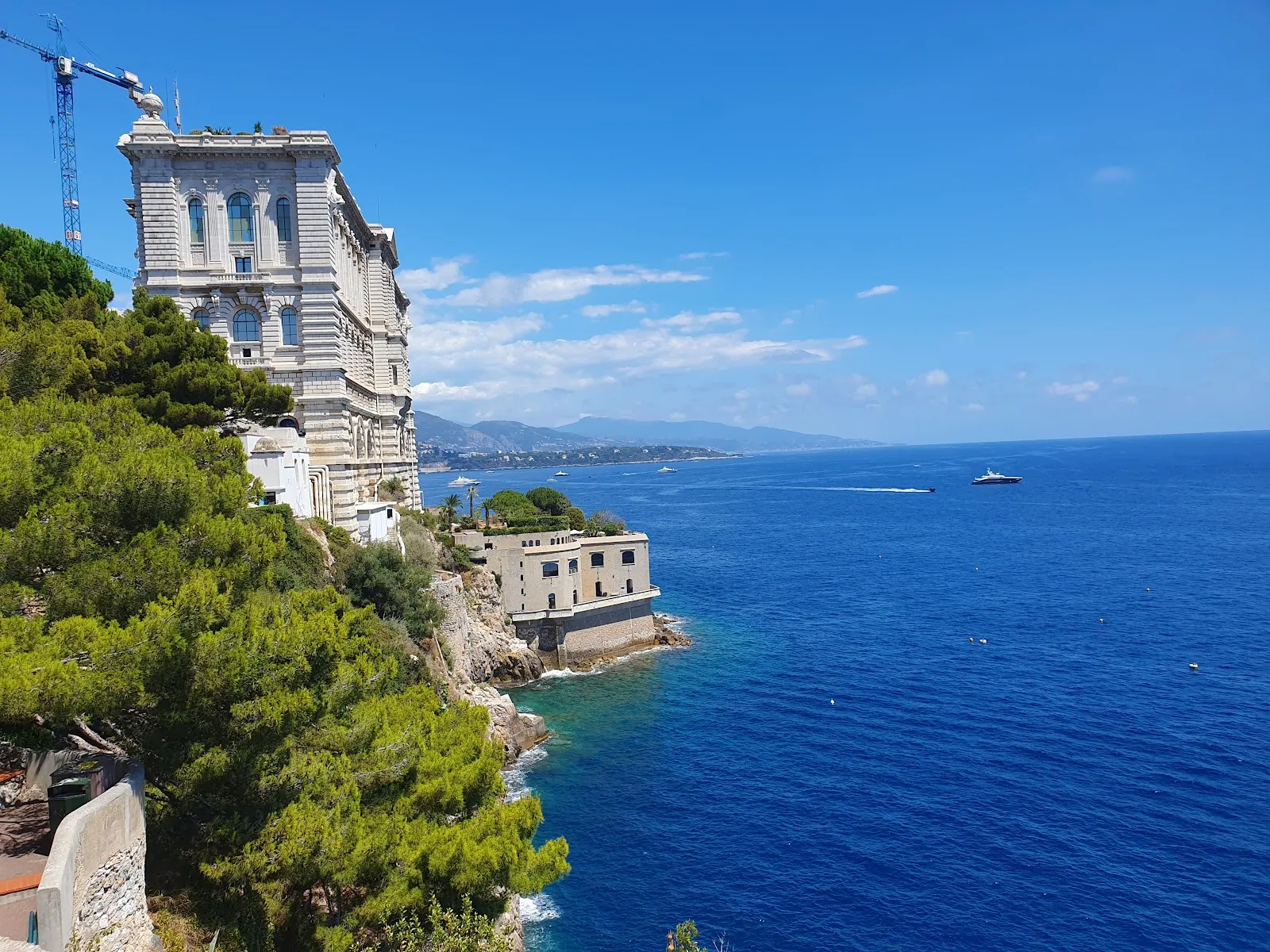
Monaco-Ville, often simply called Le Rocher (the Rock), is the old town: a fortified outcrop rising nearly 60 metres straight from the sea, where the principality began. Its car-free lanes lead to the Prince's Palace and its forecourt, the Cathedral (where Princess Grace is buried), the world-famous Oceanographic Museum clinging to the cliff face, and the serene Jardins Saint-Martin with their sea views. This is the historic and political heart of Monaco — and the one quarter that still feels like a Mediterranean village.
Monte-Carlo — the glamour
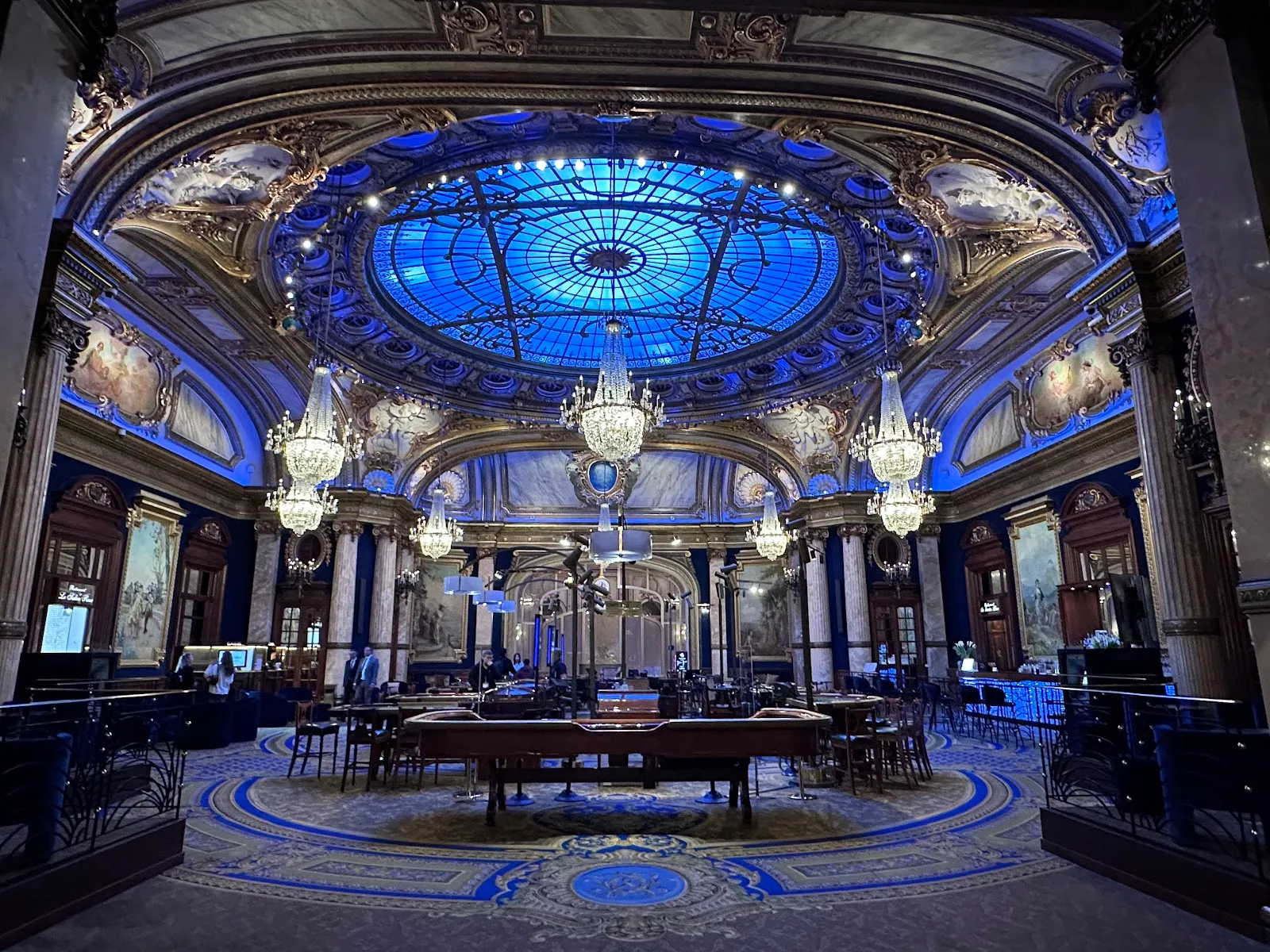
Monte-Carlo is the Monaco of the imagination: the Place du Casino with its Belle Époque Casino and the Hôtel de Paris, the Opéra (Salle Garnier), the Carré d'Or luxury shopping district, the grand cafés and the supercars circling the square. Created from scratch in the 1860s as a resort, it remains the centre of gravity for gaming, fine dining, nightlife and high-end retail. The newest landmark here is One Monte-Carlo, a contemporary luxury promenade beside the Casino gardens.
La Condamine — the harbour
Between the Rock and Monte-Carlo lies La Condamine, the busy quarter around Port Hercule, Monaco's deep-water harbour and the stage for the Grand Prix's harbour chicane and the Yacht Show. It is the principality's most "everyday" district: the lively Condamine market, ordinary shops and restaurants, the railway station, and rows of superyachts moored against a backdrop of pastel apartment blocks. The Yacht Club de Monaco, in its striking modern clubhouse, anchors the port's social life.
Fontvieille — built on the sea
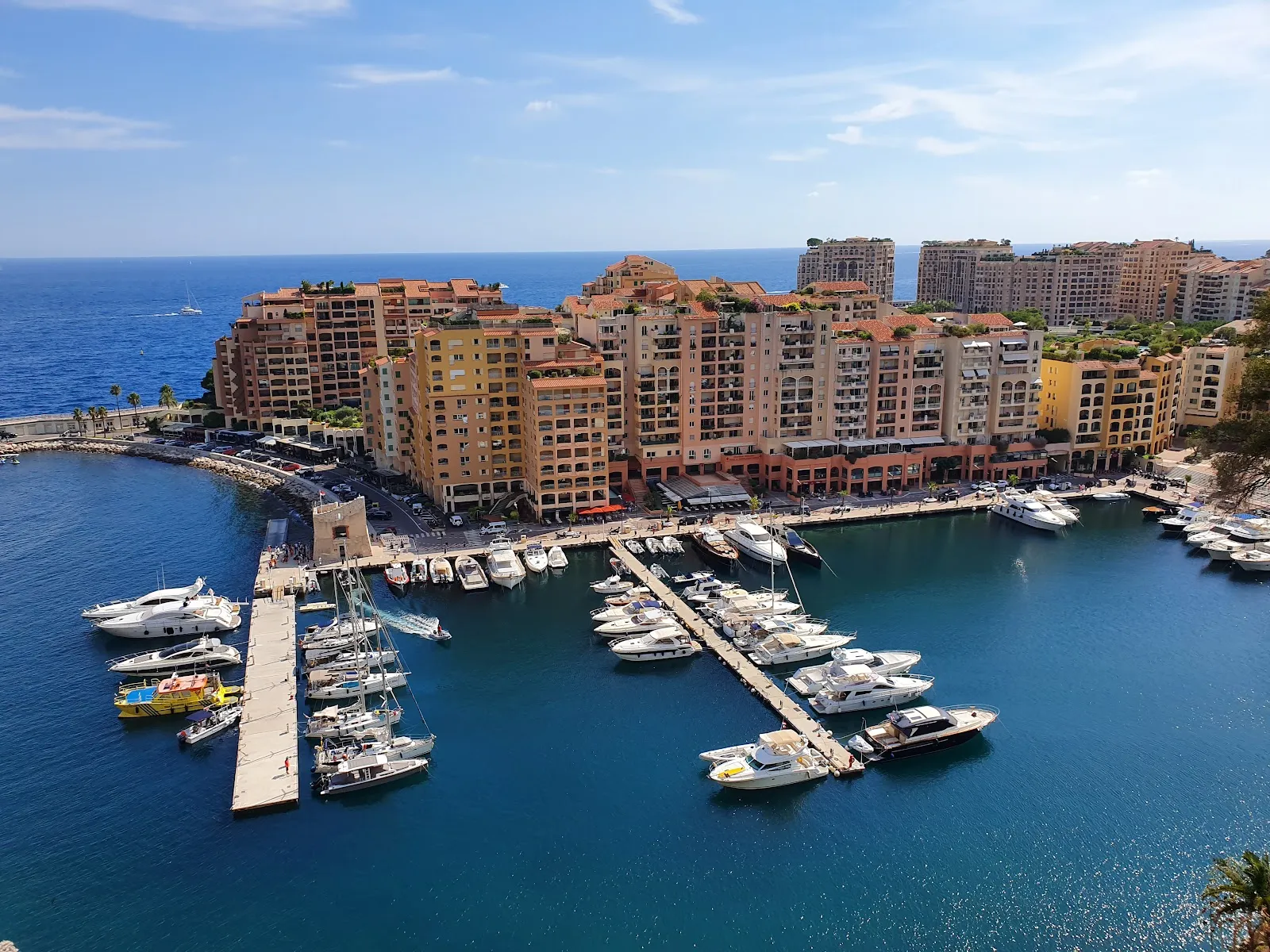
Fontvieille is the youngest quarter, reclaimed from the Mediterranean under Prince Rainier III in the 1960s and 70s to give Monaco room to grow. It is greener and more residential, home to the Stade Louis II (where AS Monaco play football), the heliport, the Princess Grace Rose Garden, the Naval and vintage-car collections, and a calm marina. It shows Monaco's pragmatic genius: when you cannot expand outward or upward enough, you build new land.
Larvotto — the beaches
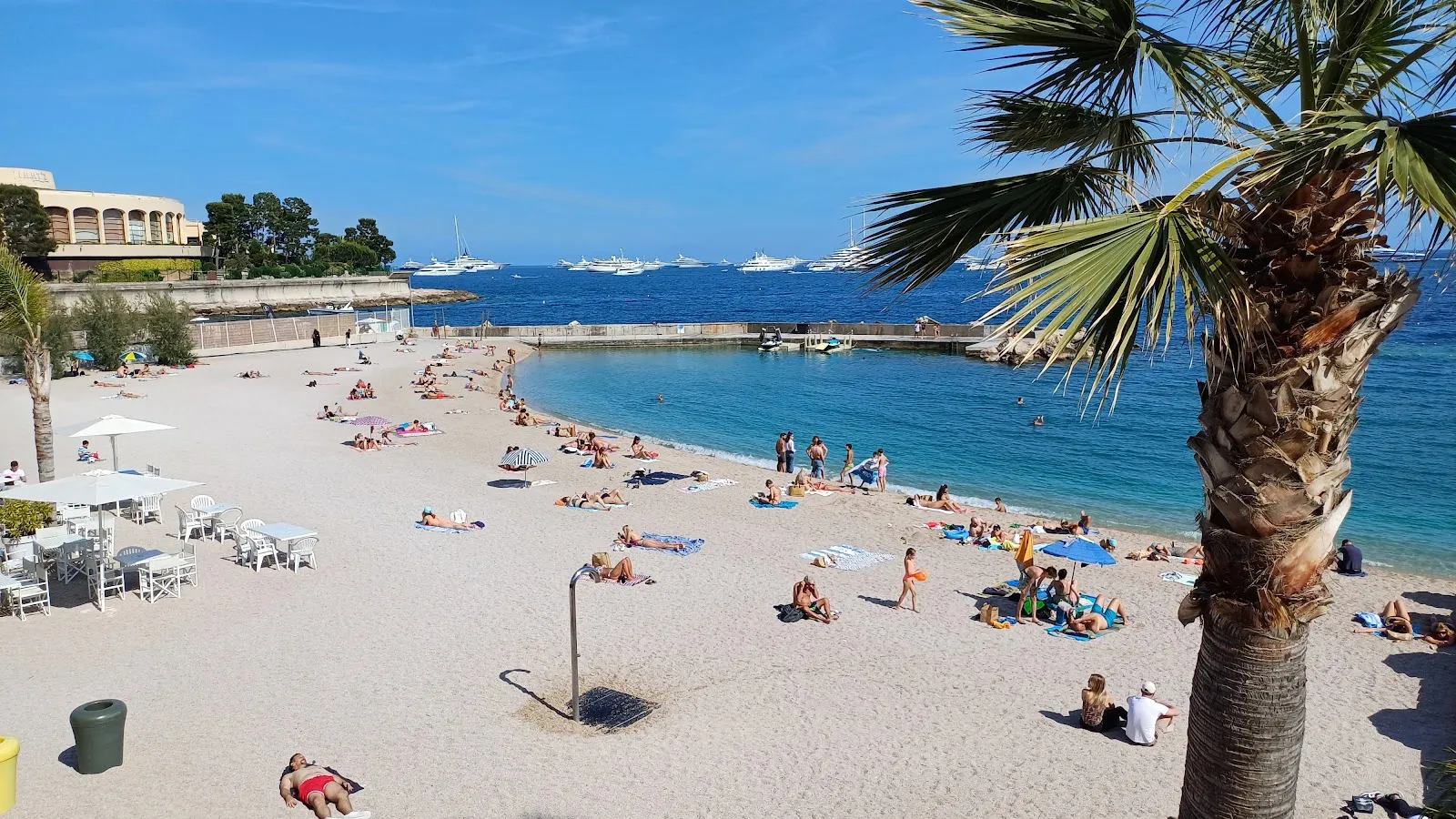
Larvotto is Monaco's seaside-resort quarter, with the principality's main public beach, beach clubs, the Grimaldi Forum congress centre, and the new Mareterra eco-district extending into the bay. In summer this is where Monaco swims and suns itself.
Moneghetti and the heights
Climbing the slopes above the harbour is Moneghetti, a quieter, residential quarter famous for the Jardin Exotique, whose terraces of succulents offer the widest panorama in the principality, and for the Observatory Cave beneath it. Nearby, the area around the church of Sainte-Dévote — wedged in a ravine by the harbour — hosts the principality's most cherished religious festival each January. These upper wards show a more everyday Monaco of apartment blocks, schools and local life, away from the casino lights.
Moving between the quarters
Because Monaco is so vertical, the genius of getting around is the network of public lifts and escalators that connect the levels free of charge — from the harbour up to Monaco-Ville, from the station down to the port, from Larvotto to the heights. Add a clean local bus network and the famous open-air escalators, and the gradients that should make Monaco exhausting instead become effortless. Together these quarters — the Rock, Monte-Carlo, La Condamine, Fontvieille, Larvotto and the heights of Moneghetti — make up the whole of the principality, each a short, walkable hop from the next.
What each quarter offers the visitor
For a visitor the quarters divide neatly by mood. Monaco-Ville is for history and views — the palace, the cathedral, the Oceanographic Museum and the Jardins Saint-Martin, best in the morning before the tour groups. Monte-Carlo is for glamour — the Casino and its square, the Hôtel de Paris, the Opéra, the Carré d'Or boutiques and the finest restaurants, at their most magical after dark. La Condamine is for everyday life and the water — the market, the port, the chandlers and cafés, and the best vantage points for the Grand Prix. Fontvieille is for green calm — the rose garden, the marina, the stadium and the museums. Larvotto is for the beach.
A principality always under construction
No quarter stays still for long. Monaco is perpetually rebuilding — taller, deeper, and further out to sea — and the skyline of glass towers above the harbour, the tunnels beneath the Rock and the new land at Mareterra are all part of the same restless effort to wring more usable space from two square kilometres. To walk the principality is to watch a small country continually reinventing its own geography.