Monaco is a constitutional hereditary monarchy. Sovereignty rests with the Prince, but it is exercised within the framework of a written Constitution — the current one dating from 1962 — that guarantees fundamental rights and shares legislative power between the Prince and an elected assembly.
The Prince
The Sovereign Prince is the head of state. He holds executive power and represents Monaco internationally, signs and ratifies treaties, and promulgates the laws. The crown passes by hereditary succession within the House of Grimaldi. While the Prince's role is far more than ceremonial, modern Monaco is not an absolute monarchy: since the 1962 Constitution, legislation requires the agreement of the elected parliament, and an independent judiciary administers justice in the Prince's name.
The Minister of State and the Government
Day-to-day government is run by the Minister of State (Ministre d'État), who heads the Government Council (the cabinet) and is appointed by the Prince. Historically the Minister of State was a senior French civil servant proposed by France, reflecting the close treaty relationship between the two countries, though the rules have been broadened. The Government Council comprises several Councillor-Ministers responsible for portfolios such as finance, the interior, social affairs, public works and the environment.
The National Council
Legislative power is shared with the National Council (Conseil National), a single-chamber parliament of 24 members elected by Monégasque citizens for five-year terms. The Council votes on laws and the budget and is a genuine check on the executive — relations between the Council and the Government have at times been robust. Because only Monégasque nationals — a minority of residents — may vote, Monaco's electorate is unusually small, numbering only a few thousand.
Local administration and justice
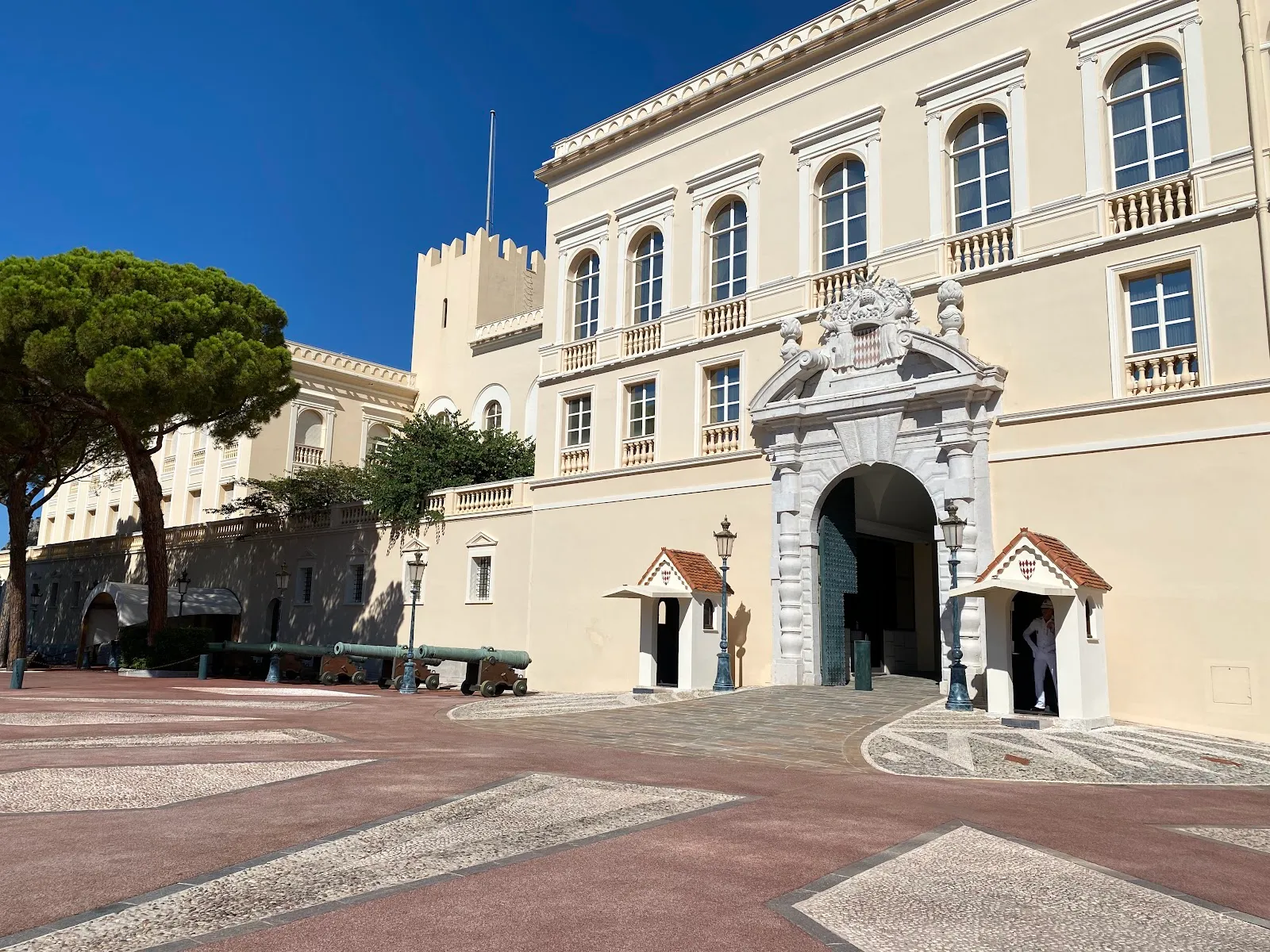
Alongside the national state sits the Commune of Monaco, run by a Mayor and a Communal Council, responsible for local matters across the principality's wards. Justice is administered by Monégasque courts, up to a Supreme Court (Tribunal Suprême), with the right of final say in certain matters reflecting Monaco's legal traditions. Monaco maintains its own police force — one of the largest per capita in the world — and the famous Carabiniers du Prince, the Prince's guard, who perform the Changing of the Guard at the palace.
Monaco in the world
Citizenship and the electorate
Only Monégasque nationals may vote in National Council elections, and citizenship is tightly controlled — acquired by descent, by long residence in exceptional cases, or by princely naturalisation. The result is one of the world's smallest national electorates, a few thousand strong, even though the resident population is many times larger. Monégasques enjoy particular protections, including priority in housing and employment, designed to preserve the native community within a country dominated numerically by foreign residents.
Symbols, guard and policing
The state's symbols — the red-and-white flag, the Grimaldi arms and the anthem — appear throughout official life. Internal security rests with a national police force that is, per head, among the largest and best-equipped in the world, complemented by the Carabiniers du Prince, the Prince's military guard. This intensive, discreet security is a deliberate policy and a core part of Monaco's promise of safety. France, under treaty, guarantees the principality's external defence.
Monaco in the world
Monaco is a sovereign state and a full member of the United Nations (since 1993) and the Council of Europe, with its own diplomatic service and embassies. It is not a member of the European Union, but its deep ties to France — formalised in treaties — mean it uses the euro, shares customs arrangements, and sits within the Schengen travel area in practice. This careful web of relationships lets a tiny country punch far above its size: independent in its institutions and identity, yet seamlessly connected to its giant neighbour — a modern, self-governing principality that has kept its sovereignty intact where so many small European states lost theirs.
The commune and daily administration
Alongside the sovereign institutions sits the Commune of Monaco, headed by an elected Mayor and Communal Council, which looks after local services across the principality's wards — markets, schools, sport, cultural events and the everyday business of municipal life. The relationship between national and communal government, like that between the Prince and the National Council, is part of the fine machinery that lets a microstate run like a full country. Public administration is unusually large relative to the population, reflecting both the density of services Monaco offers and its determination to remain a fully functioning state rather than a dependency of its neighbour.