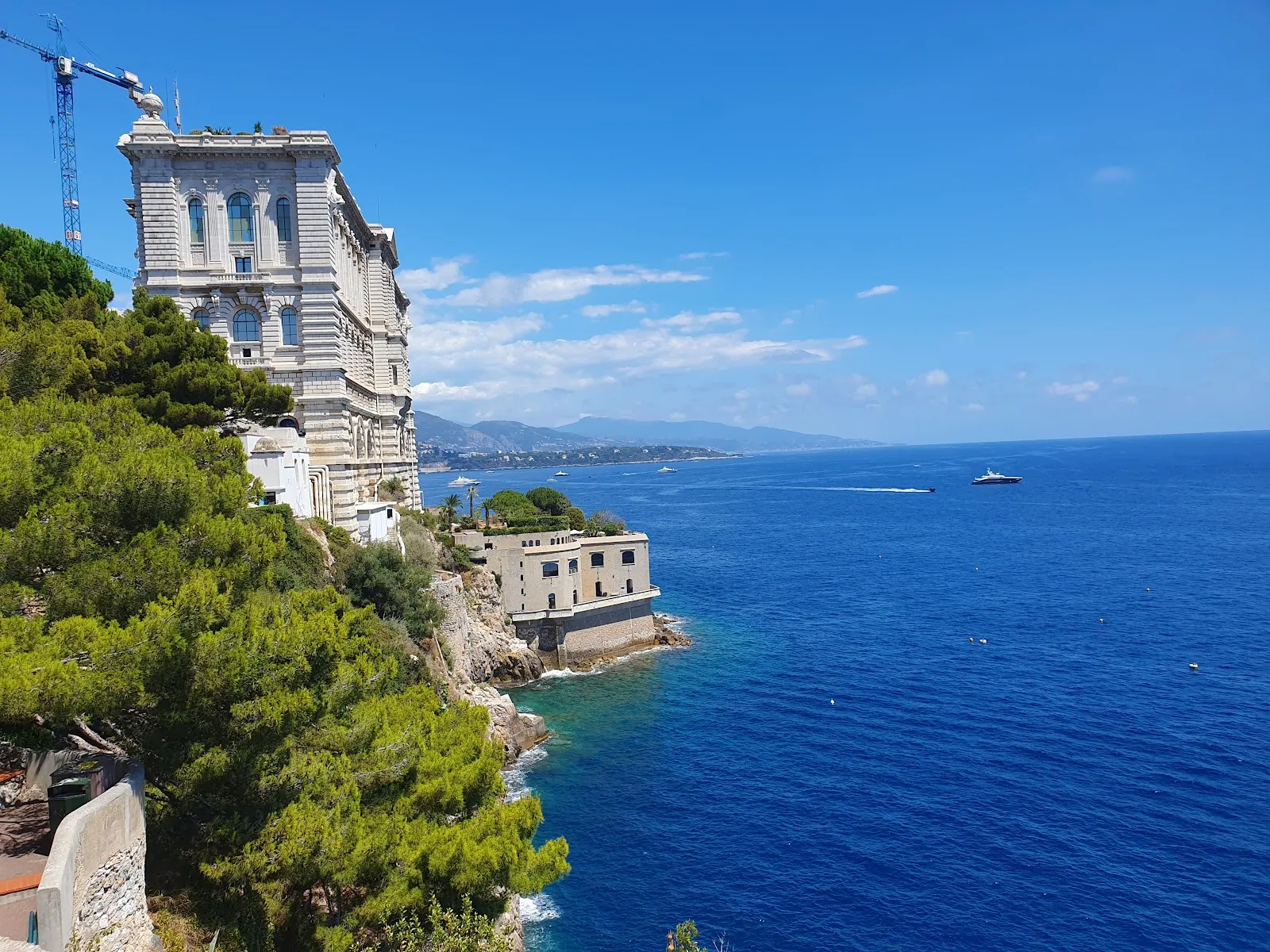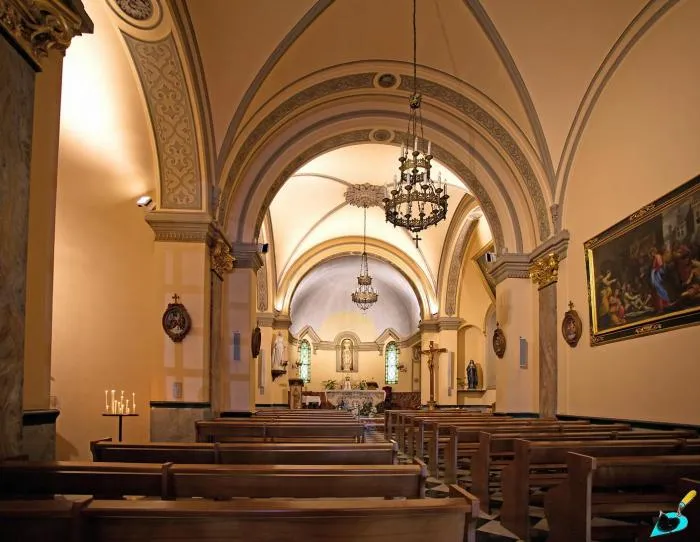
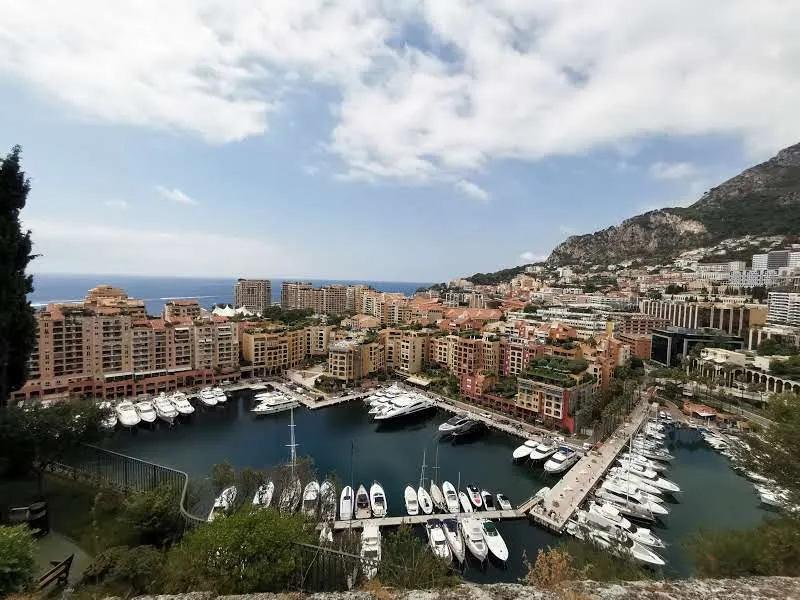
Monaco's story is, above all, the story of a single family clinging to a single rock for more than seven hundred years. Few dynasties anywhere have held the same scrap of territory as long as the Grimaldi have held the Rock of Monaco.
Greeks, Romans and a Ligurian rock
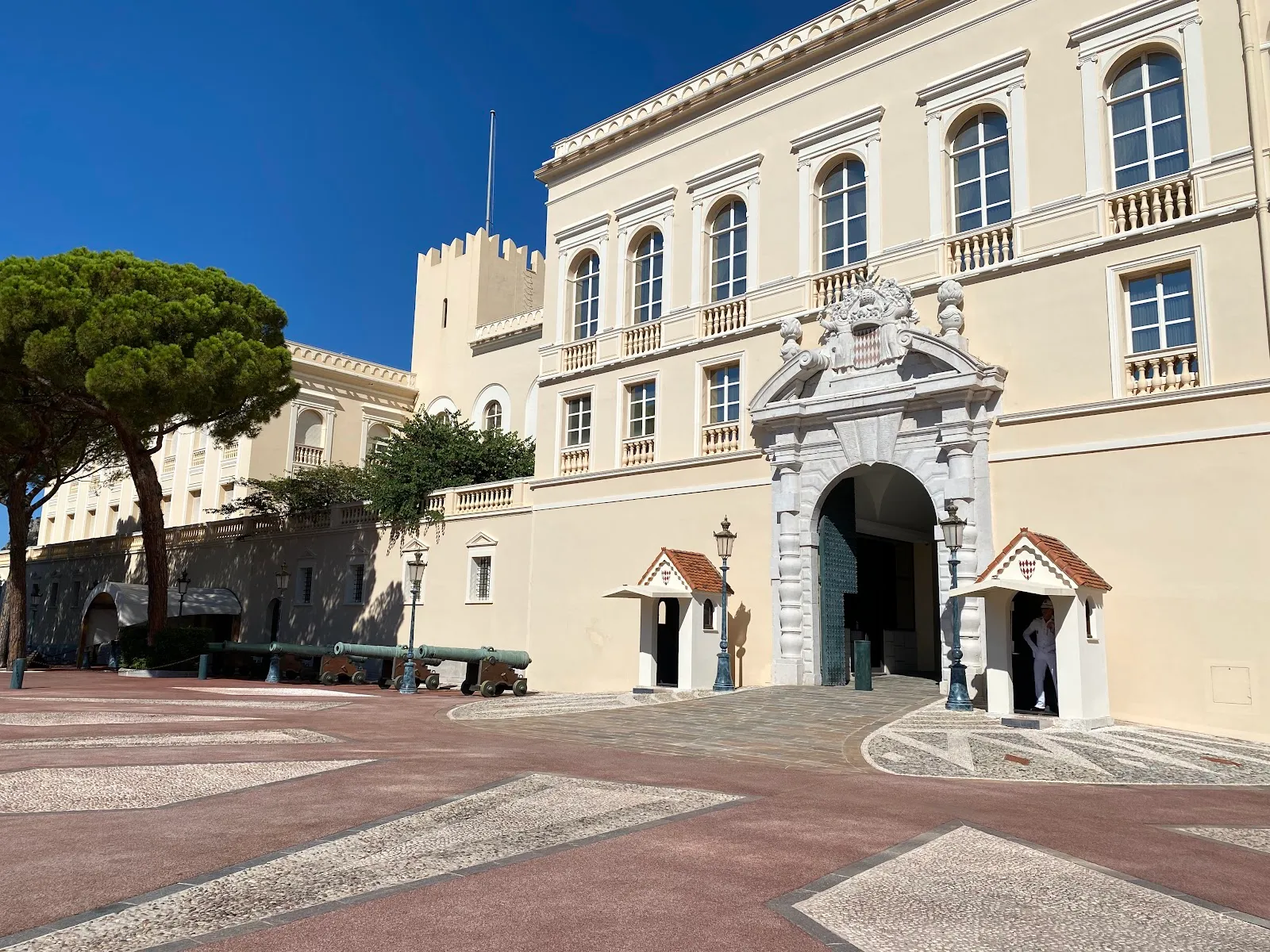
The promontory was known in antiquity. Greek colonists from Massalia (Marseille) are thought to have founded a settlement here, and the name is often linked to a temple to Hercules Monoecus — Hercules "the solitary". Romans used the natural harbour, and through the Middle Ages the coast was a contested frontier between Genoa and its rivals. In 1215 the Genoese built a fortress on the Rock, and it is that fortress, much rebuilt, that survives today as the Prince's Palace.
1297: the monk with a sword
The founding legend is irresistible. On the night of 8 January 1297, François Grimaldi — a member of a Guelph family exiled from Genoa — is said to have arrived at the fortress gates disguised as a Franciscan monk, gained entry, and seized the stronghold with a band of soldiers hidden under their robes. The image of a sword-wielding monk still appears on the Grimaldi coat of arms, supported by two friars. Control of the Rock changed hands more than once in the turbulent decades that followed, but the Grimaldi claim dates from that night.
Lordship, then sovereignty
Over the following centuries the Grimaldi consolidated their hold, buying the lordship of Monaco outright and acquiring the neighbouring towns of Menton and Roquebrune. Monaco navigated the dangerous politics of larger neighbours by placing itself under the protection of, in turn, Spain and then France. In 1612 the lord of Monaco first took the title of Prince, and a 1641 treaty with France confirmed the principality's sovereignty under French protection.
Revolution, annexation and a smaller country
The French Revolution swept Monaco away: the principality was annexed to France in 1793 and the Grimaldi were dispossessed, their palace turned into a hospice. The family was restored in 1814, but the upheavals were not over. In 1861, under the Franco-Monégasque Treaty, Prince Charles III ceded Menton and Roquebrune — which together made up the great majority of Monaco's land — to France in exchange for money and a guarantee of sovereignty. At a stroke Monaco lost most of its territory and its citrus-growing economy. It had to find a new way to survive.
The invention of Monte-Carlo
The answer was tourism and gaming. With the encouragement of Charles III and the financial genius of François Blanc, the Société des Bains de Mer (SBM) was created in 1863 to run a casino and luxury hotels on the barren heights above the harbour — a district christened Monte-Carlo ("Mount Charles") in the Prince's honour. The arrival of the railway brought Europe's aristocracy and newly rich; the Casino de Monte-Carlo and the Hôtel de Paris became bywords for glamour, and gambling revenues were so successful that Monaco abolished income tax for residents in 1869. The modern principality — a luxury resort built on discretion, spectacle and favourable taxation — was born.
The modern age
The twentieth century brought a written constitution (1911, revised in 1962), the Monaco Grand Prix (first run in 1929), and the long, transformative reign of Prince Rainier III (1949–2005), remembered as the "builder prince" for the land reclamation and modernisation that reshaped the country.
A constitution and a crisis
The 1911 constitution ended absolute rule, and the modern 1962 constitution — still in force — entrenched fundamental rights and shared law-making with an elected National Council. It emerged from a tense period: in 1962–63 Rainier III faced down a fiscal stand-off with France, which briefly set up a customs post and threatened the principality over its tax treatment of French interests. The resulting bilateral conventions made French nationals taxable by France while preserving Monaco's regime for everyone else — the bargain that still underpins the country's finances.
Grace Kelly and the global stage
Rainier's marriage to the Hollywood star Grace Kelly in 1956 — "the wedding of the century" — sealed Monaco's place in the global imagination and fused the principality forever with an idea of glamour. Her sudden death in a 1982 car accident on the corniche above Monaco was a national trauma still felt today. Through the post-war decades Monaco also reinvented its economy beyond the casino, courting banking, congresses, light industry and year-round tourism.
Monaco today
Since 2005 the principality has been ruled by Rainier and Grace's son, Prince Albert II, who has steered Monaco toward environmental leadership and ocean conservation while continuing the old habit of growing into the sea — most recently with the Mareterra eco-district, completed in the 2020s. It is the latest chapter in a very old story: a small rock that has survived annexation, revolution and the rise and fall of far larger neighbours, and simply refuses to be ordinary.