Key facts
- Language
- French; English widely spoken
- Currency
- Euro (€)
- Airport
- Nice (NCE), ≈30 km
- Plugs
- Type C/E, 230V
- Emergency
- 112
- Tap water
- Safe to drink
Monaco is one of the easiest and safest destinations in Europe to visit — small, walkable, well-organised and almost crime-free. A little preparation, though, makes the experience smoother and more elegant.
Language and money
The official language is French; English is very widely spoken in hotels, restaurants and shops, and Italian is common too. The currency is the euro, and cards (including contactless and the usual international networks) are accepted everywhere. Tipping is modest — service is generally included, and rounding up or leaving a little extra for good service is normal rather than expected.
Getting in
Most visitors arrive via Nice Côte d'Azur airport (NCE), about 30 km west. From there the options range from a scenic seven-minute helicopter transfer to a fixed-price private car (40–50 minutes), the train to Monaco-Monte-Carlo (around 25 minutes from Nice-Ville), or the coastal bus. See our dedicated guide to the Nice → Monaco transfer for a full comparison. Drivers should note that Monaco is reached via the scenic corniche roads.
Getting around
Inside the principality, the best transport is your own two feet — nowhere is far. Because Monaco is so vertical, a free network of public lifts and escalators links the different levels, which is a blessing with luggage or in heat. There is a clean local bus network, and inexpensive public car parks throughout (street parking is scarce). For days out along the coast a hire car or a private transfer is ideal; for arrivals, a pre-booked transfer is the smoothest option.
Safety, dress and etiquette
Monaco is exceptionally safe, watched over by one of the world's densest concentrations of police and CCTV. Standards of dress and behaviour, however, are taken seriously: smart attire is expected in the better restaurants and essential in the evening at the Casino, where you'll also need a passport and to be at least 18. Beachwear belongs at Larvotto, not on the Casino square. A little formality goes a long way here.
When to visit
The Mediterranean climate makes Monaco rewarding year-round, but the texture of a visit changes by season. May is electric but extreme, dominated by the Grand Prix; late September brings the Yacht Show. For warm sea and slightly calmer crowds, aim for June or early September. July and August are hot and lively; winter is quiet and mild, with the Casino, the Opera and the restaurants carrying the season. Whatever the timing, two to three days lets you see the Rock, Monte-Carlo and the harbour at a civilised pace — and use Monaco as a base for the wider French Riviera.
Connectivity and practicalities
Costs, and visiting on a budget
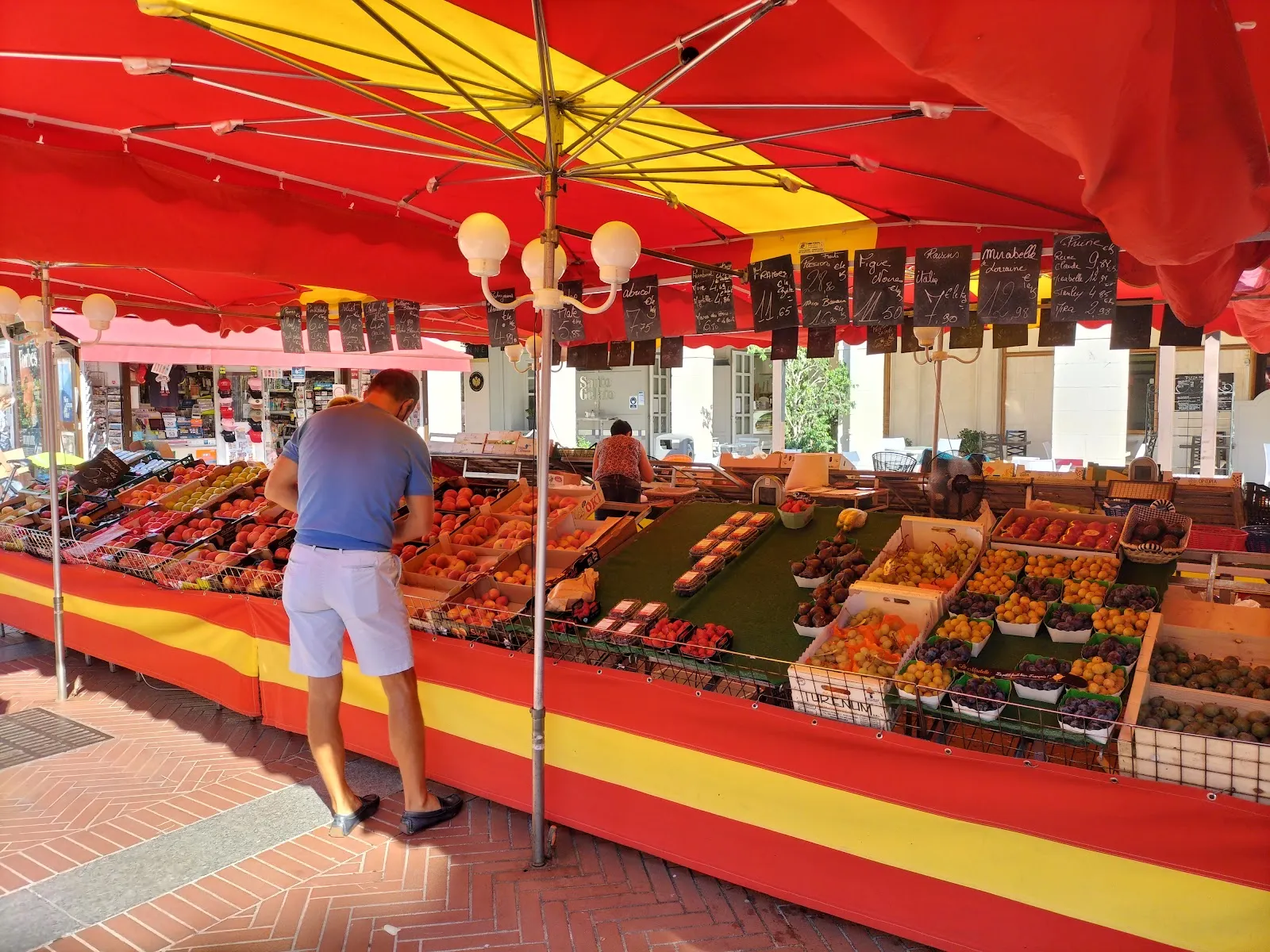
Monaco is expensive, but a visit need not be: the principality's greatest sights — the Place du Palais and the Changing of the Guard, the lanes of the Rock, the harbour, the Casino square at night, the Jardin Exotique panorama — cost little or nothing. Many travellers keep costs down by sleeping in Nice and coming in by train, eating at the Condamine market or neighbourhood brasseries rather than the palace dining rooms, and timing the visit outside the Grand Prix and Yacht Show, when prices peak.
Health, safety and accessibility
Healthcare is excellent, with a modern hospital (the Princess Grace) and well-stocked pharmacies; tap water is safe to drink. Crime against visitors is very rare. The principality's vertical terrain is well served by the free public lifts and escalators, which also make it more accessible than its cliffs suggest, though the steepest old-town lanes remain a challenge. Carry a passport or ID — it is required to enter the Casino's gaming rooms (minimum age 18) and is good practice generally.
Day trips and using Monaco as a base
Monaco sits at the heart of the French Riviera, and the same coast that frames it makes a superb playground: Èze and its perched village minutes away, Nice half an hour west, Menton on the Italian border to the east, and Cannes, Antibes and Saint-Tropez within easy reach by car, train or private tour. Mobile coverage is excellent and EU roaming generally applies as in France. Tap water is safe to drink, healthcare is first-rate, and the principality is small enough that you are never far from help. Dial 112 for any emergency.
A few words of etiquette
Monaco rewards a little polish. A simple bonjour opens doors; dress a notch smarter than you might elsewhere on the coast; and remember that beach attire belongs at Larvotto, never on the Casino square or in the better restaurants. Photography is restricted inside the Casino's gaming rooms, and discretion is always appreciated in a place that prizes it. None of this is stuffy — Monaco is genuinely welcoming — but matching its sense of occasion makes the whole experience more enjoyable. For live conditions before a day on the water or the beach, see our weather & sea page.