The House of Grimaldi is one of the oldest ruling families in Europe, and in Monaco the family is not a remote institution but the living heart of national identity. The Prince is head of state, the palace is the country's symbolic centre, and the dynasty's joys and tragedies have played out under the world's gaze for generations.
Prince Rainier III, the builder prince
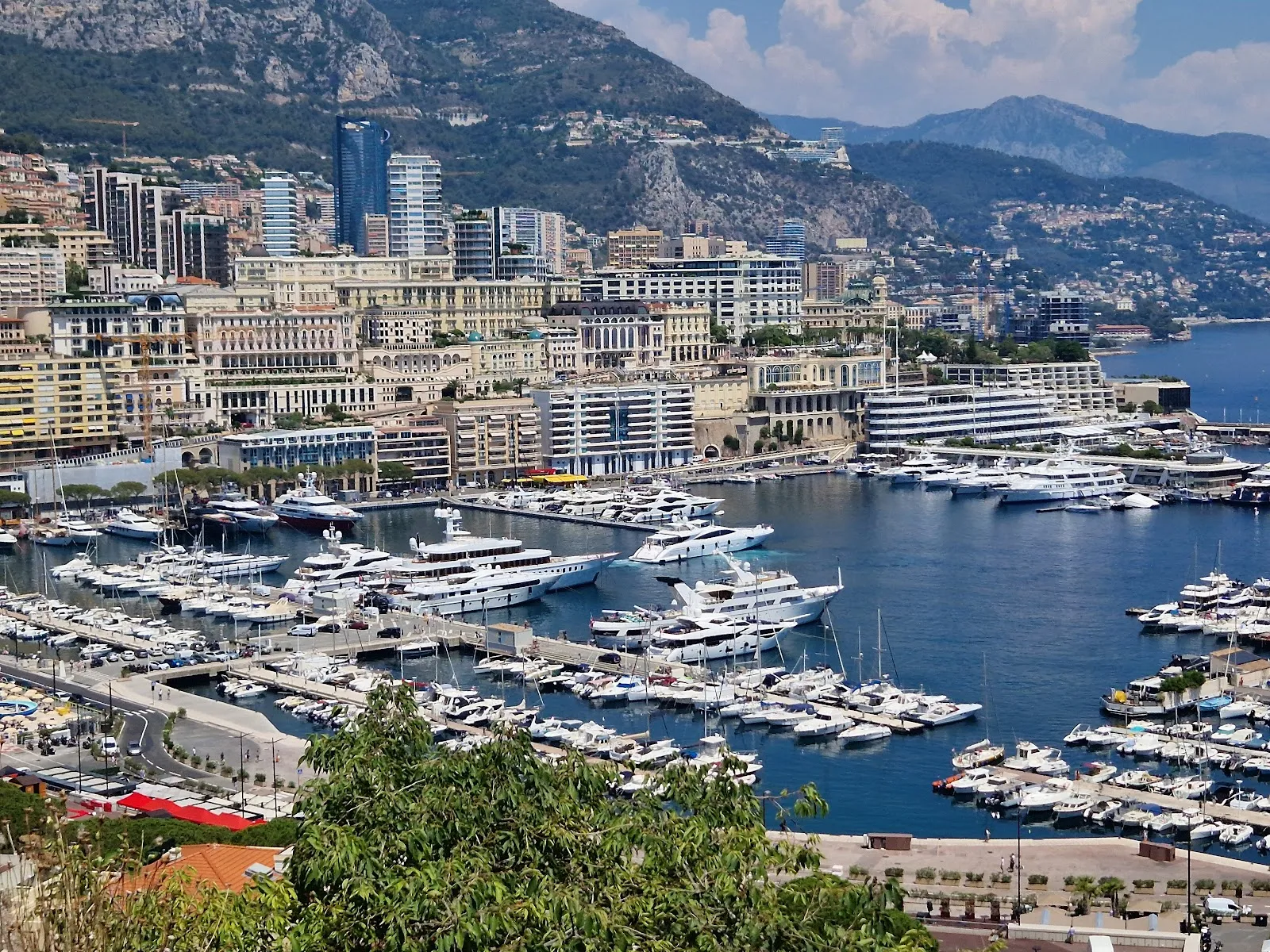
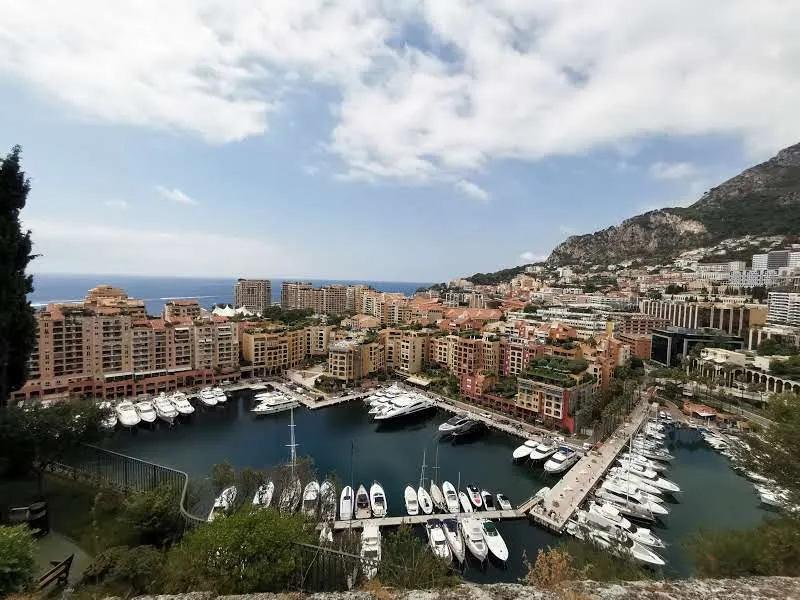
Rainier III ruled from 1949 to 2005, one of the longest reigns in Europe of the twentieth century, and arguably the most consequential in Monaco's modern history. He inherited a principality still heavily dependent on its casino and set about diversifying it — encouraging banking, light industry, tourism and congresses. Under him Monaco literally grew: the district of Fontvieille was reclaimed from the sea in the 1960s and 70s, adding around a fifth to the country's land area. He reformed the constitution in 1962, sharing more power with an elected National Council, and he defended Monaco's sovereignty in a tense stand-off with France over taxation. He is remembered as le prince bâtisseur — the building prince.
Grace Kelly: the princess from Hollywood
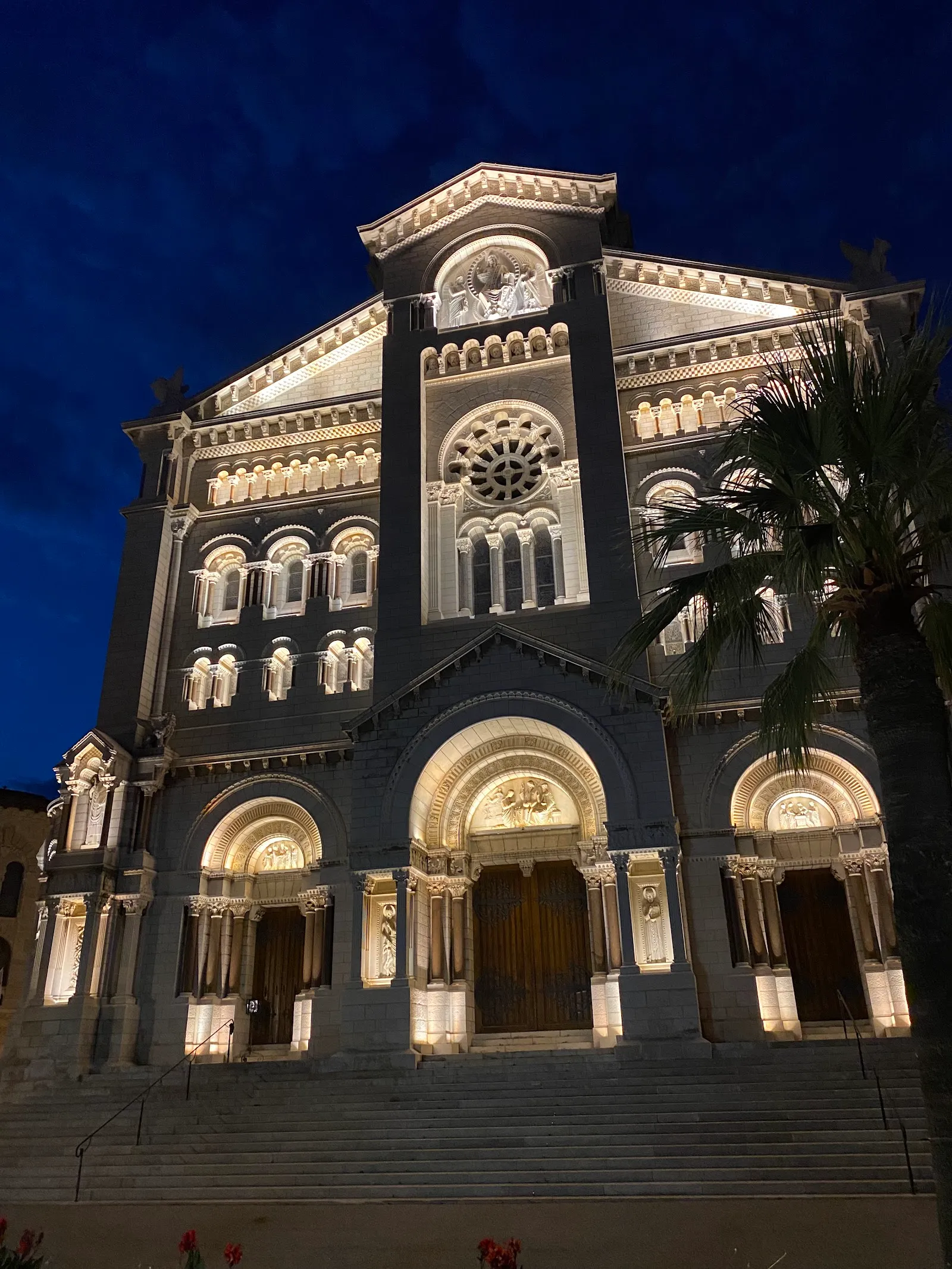
In 1956 Rainier married the American film star Grace Kelly, an Academy Award winner at the height of her fame, in a wedding watched by an estimated 30 million people. As Princess Grace she devoted herself to the arts, to charity and to the image of a modern, cultured Monaco, founding cultural institutions and lending the principality an unmatched glamour. Her death in a car accident on the corniche above Monaco in 1982 was a national tragedy; she is buried, with other members of the family, in the Monaco Cathedral, where her simple tomb is still covered with flowers left by visitors.
Prince Albert II
Their son, Albert II, acceded in 2005. A keen sportsman who competed in five Winter Olympics in bobsleigh, he has made environmental protection and ocean conservation the signature of his reign, through the Prince Albert II of Monaco Foundation and Monaco's diplomatic voice on climate. In 2011 he married the South African former Olympic swimmer Charlene Wittstock, now Princess Charlene; their twins, Prince Jacques (the hereditary prince and heir) and Princess Gabriella, were born in 2014.
Caroline, Stéphanie and the wider family
Rainier and Grace's daughters, Princess Caroline and Princess Stéphanie, remain prominent public figures, long fixtures of European society and, at times, of its tabloids. Caroline has acted as Monaco's first lady at moments when there was no princess consort, and is a patron of the arts and of the celebrated Bal de la Rose. The extended family's weddings, christenings and anniversaries are woven into the national calendar.
The palace and the national day
The hereditary prince and the succession
The heir apparent is Prince Jacques, Marquis of Baux, who — though born two minutes after his twin sister Gabriella — takes precedence under Monaco's male-preference succession rules. Securing the direct line was a matter of national importance: under the treaties with France, the continuity of the Grimaldi dynasty is bound up with Monaco's very sovereignty, which is one reason the births of 2014 were greeted with 42 cannon shots and national celebration.
Titles, arms and the court
Beyond the principality the Grimaldi hold a long list of historic titles — Duke of Valentinois among them — and maintain a small court and household. The dynasty's lozenged red-and-white arms, supported by two sword-wielding Franciscans, and the motto Deo Juvante, appear on everything from the palace gates to official documents. The family's public life is intensely scrutinised by the international press, a modern burden the Grimaldi share with Europe's other royal houses.
The palace and the national day
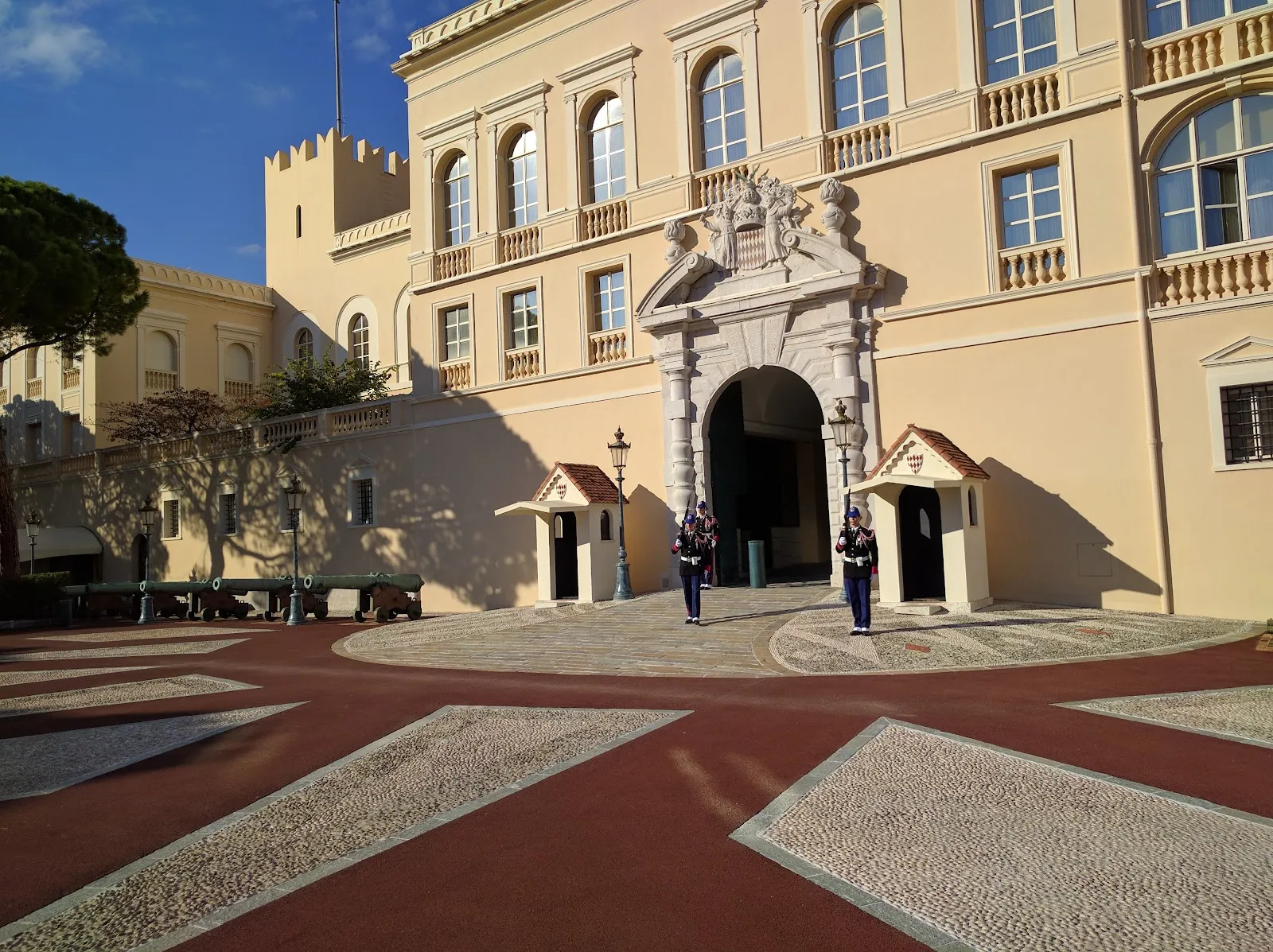
The Prince's Palace on the Rock remains the family's official residence, its state apartments open to visitors in season, and the Changing of the Guard by the Carabiniers du Prince in its forecourt is a daily ritual at around 11.55 am. Each 19 November, the principality celebrates its National Day (Fête du Prince) with a mass, a Te Deum, a military parade and fireworks — the clearest annual expression of the bond between the Grimaldi and the country they have ruled, against the odds, for more than seven centuries.
A dynasty in the public eye
The Grimaldi live more publicly than almost any family on earth, and the modern dynasty's story has had its share of romance, rivalry and rumour played out across the world's magazines. Yet the institution has proved remarkably durable: each generation renews the family's bond with the principality through charity, culture and sport. Princess Caroline's patronage of the arts, Princess Stéphanie's humanitarian work — notably with circus arts and against homelessness — and Prince Albert's environmental foundation all extend the idea, cultivated since Grace Kelly, that the Grimaldi are not merely Monaco's rulers but its most visible ambassadors. For a country whose chief export is its image, that role is itself a form of statecraft.